Commentary

 
The U.S. may be getting closer to allowing Mexican trucks on its roads. What does that mean for U.S. carriers and drivers?
 
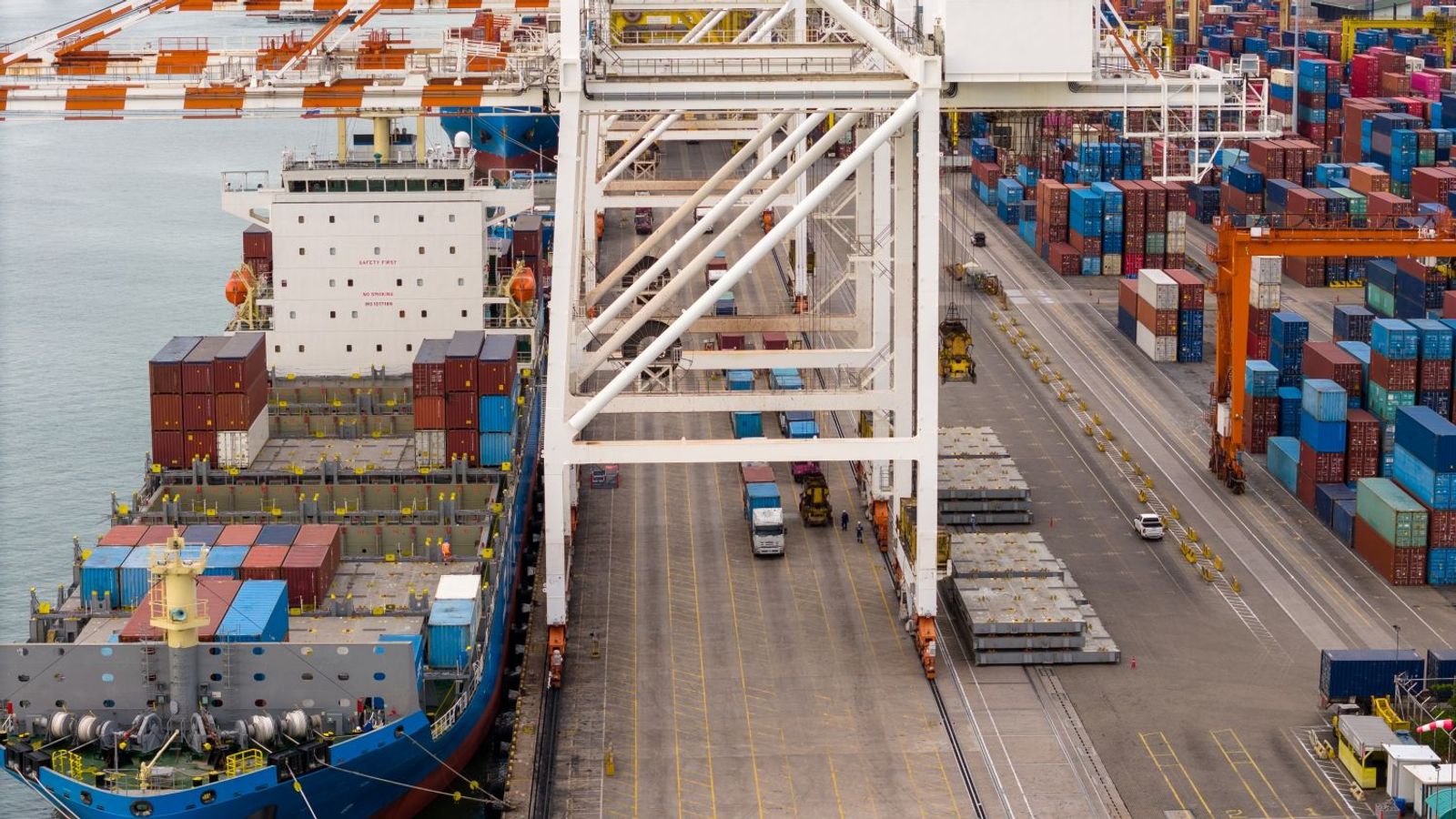
Our ports and surrounding infrastructure have been neglected to the point where it’s costing shippers and consignees significant money. Shippers, carriers and ports need to band together to create and deliver a message to national, state and city officials. It’s time to be heard. Who’s with me?
 
For a country notorious for its lack of environmental resolve, China is sure putting a large stamp on the movement with its aptly named Operation Green Fence program. Nowhere is that stamp felt more than on the largest segment of U.S. containerized exports to the Asian manufacturing giant: scrap paper, metals and plastics.
 
For the freight transportation industry to grow, we must strive relentlessly and responsibly to improve — ideally in a balanced fashion. Regardless of setting, we all must navigate political challenges to achieve a beneficial outcome. The public sector used to set the stage. Now it might fall to the private sector to demonstrate to our elected leaders the path forward.
 
Is air freight holding its own among global transport modes? Atlas Air's Michael Steen says yes. The numbers, however, say otherwise.
 
In the case of a lost or damaged shipment, is it possible for a shipper to profit twice on a claim?
 
When a motor carrier encounters repeated shortages on a shipper’s deliveries, it begins to wonder if there’s a calculated strategy involved.
 
It’s a growing phenomenon that all importers must beware: What federal agencies regulating trade once considered strictly mistakes warranting no more than a civil penalty have become criminal violations.
 
Fears that Europe is heading for a Japanese-style decade of snail’s pace economic growth or even stagnation are hardening into reality as the continent faces another year of recession while the rest of the world is in recovery mode.
 
CEO Frank Blake's discussion of Home Depot’s online strategy underscores the depth to which e-commerce is impacting the supply chains of major shippers such as those included on this week’s annual JOC ranking of Top 100 Importers and Exporters.
 
For every collapse, there is recovery. We’ve seen it in New Jersey and New Orleans, Tuscaloosa and Tokyo, San Francisco and Santiago. And we’ve seen it in U.S. housing markets, perhaps the single-strongest driver of today’s global containerized shipping growth.
 
It will be interesting to see how Wal-Mart and other companies — and today's consumers — ultimately respond to supply chain visibility issues in the wake of events such as the fire in November that leveled the Tazreen Fashions factory in Bangladesh.
 
With the arrival of this year’s JOC Top 100 Importers and Exporters issue, we find some constancy in our transportation world: The vast majority of companies on both lists are the same as they were last year. For many (even most) companies on both of the lists, they are the same as they’ve been for years.
 
It’s that time again. Time for Washington, D.C., to work itself into a tizzy about the nation’s so-called crumbling infrastructure, following the collapse of a Washington bridge over the Skagit River on Thursday.

Pages