Bill Mongelluzzo, Associate Editor | Aug 02, 2012 3:52PM EDT
Harmful emissions from port operations in Los Angeles have declined as much as 76 percent over the past seven years since the port implemented a number of measures to reduce pollution from vessels, harbor craft, cargo-handling equipment, trucks and trains.
The Port of Los Angeles Air Quality Report Card, 2005-2011, documents the reductions in key pollutants since Los Angeles and neighboring Long Beach adopted their joint Clean Air Action Plan.
The latest air emissions inventory from the Port of Los Angeles shows sulfur oxide pollution has decreased 76 percent from the baseline year of 2005. Diesel particulate emissions (PM10 and PM2.5) are down 71 percent and 69 percent, and nitrogen oxide emissions dropped 51 percent.
Such reductions are considered crucial in mitigating the health risks that come from port operations. Sulfur oxide and nitrogen oxide, for example, are key components of smog, and diesel particulate matter has been identified as a toxic air contaminant and known carcinogen.
The report also documents the port’s improvements in cutting greenhouse gas emissions, which are associated with climate change. Carbon dioxide equivalent emissions fell 19 percent from 2005 to 2011.
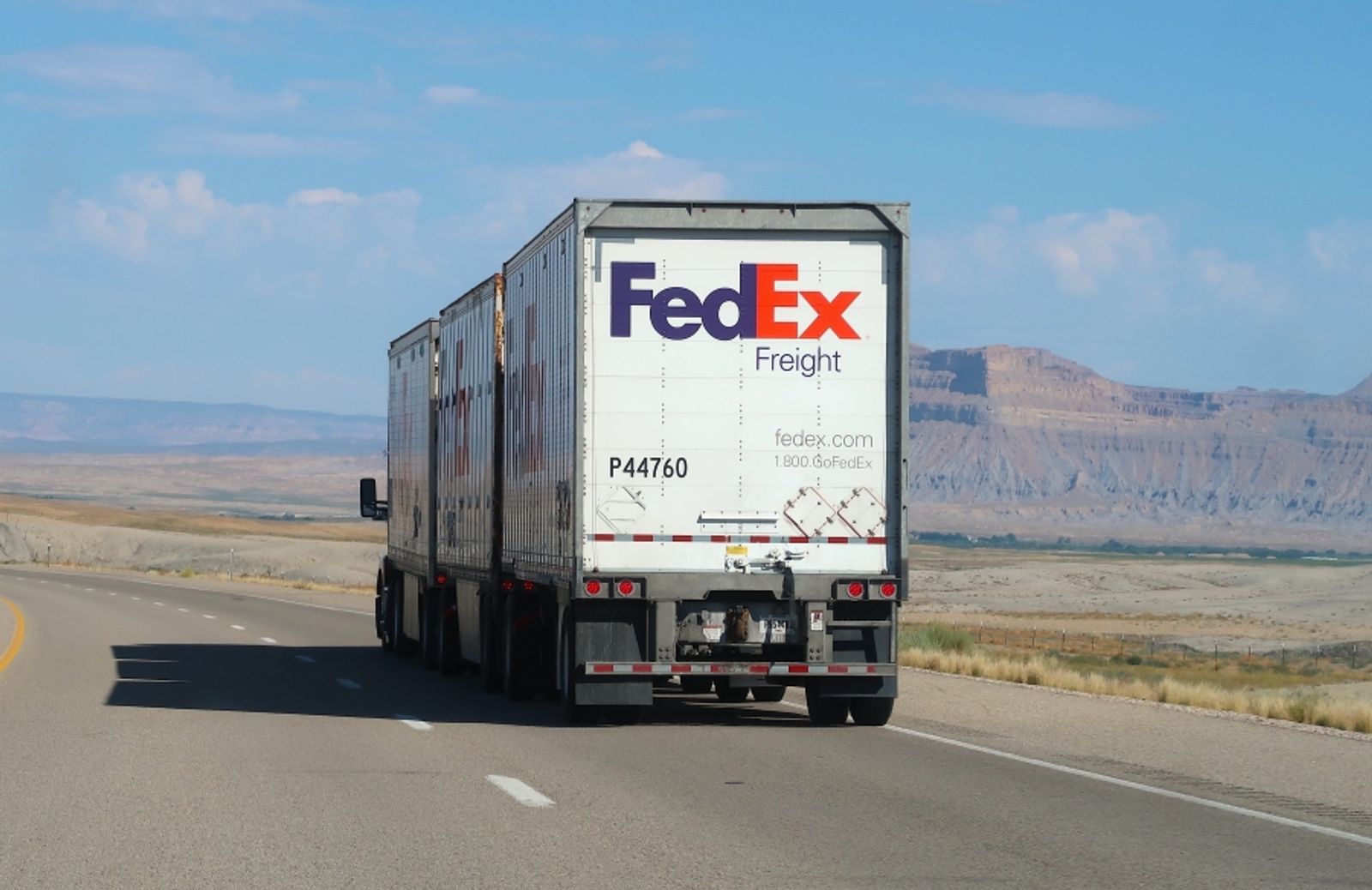
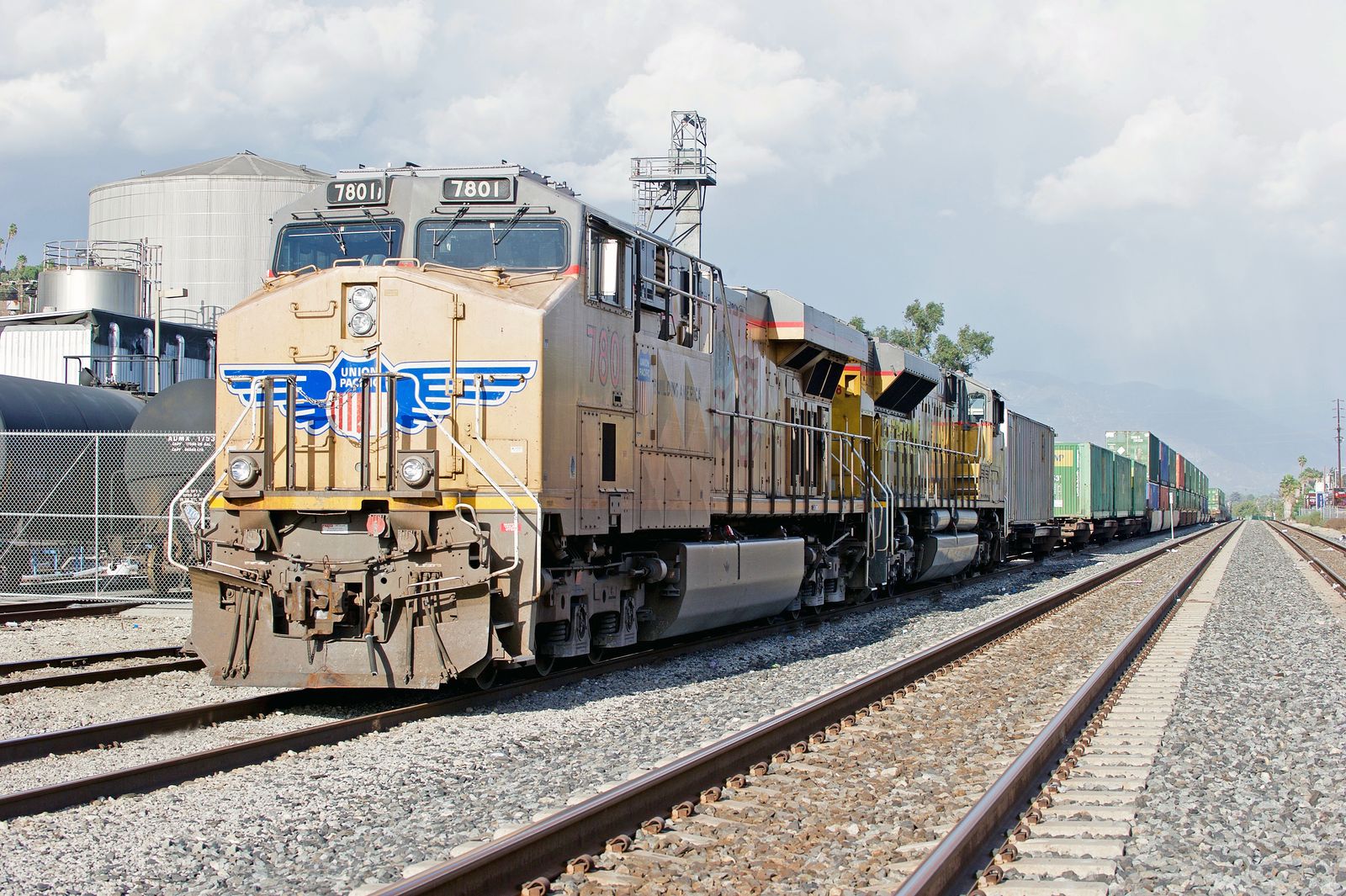
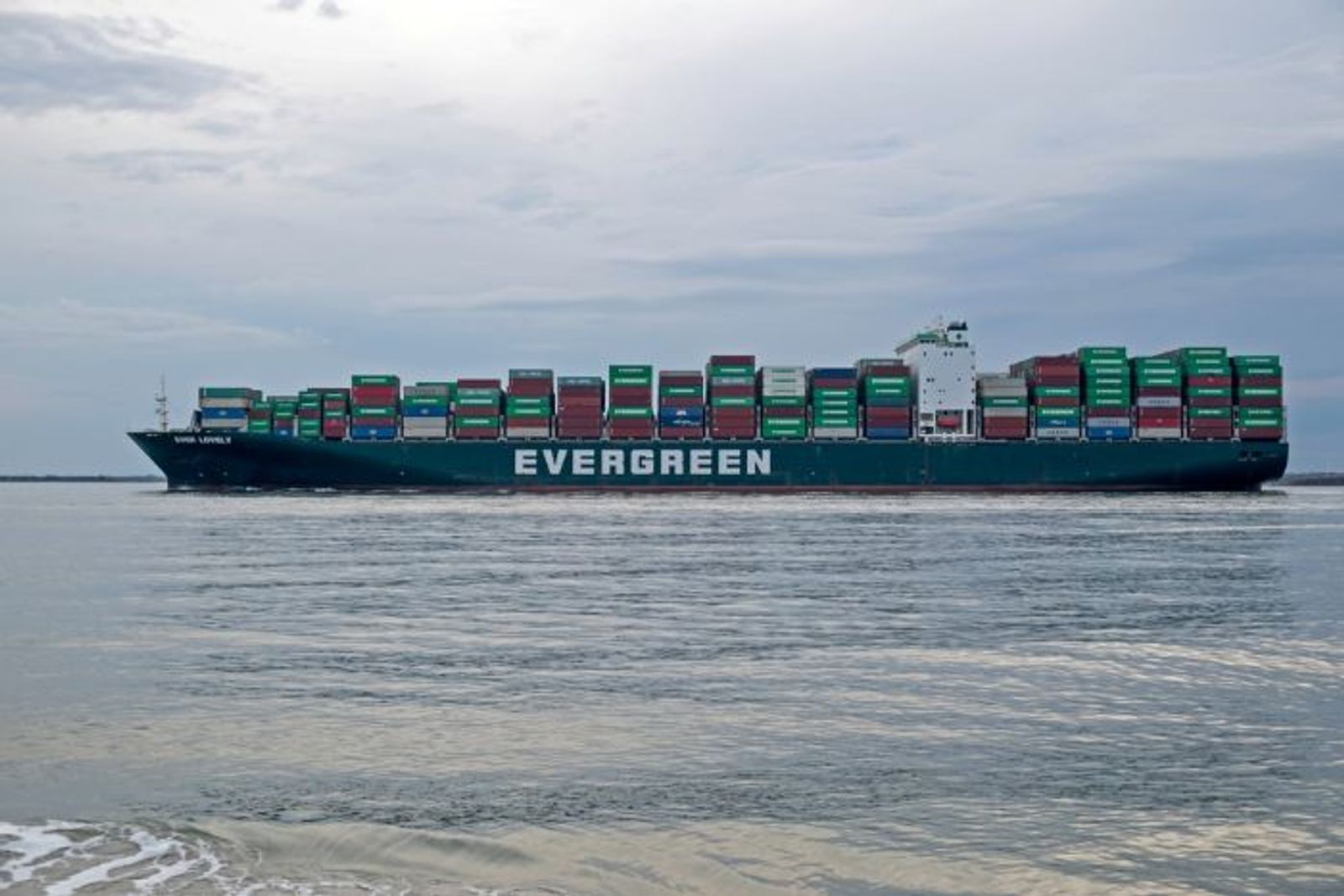
Los Angeles identified several measures that have helped to generate the reductions in air emissions. The port’s strategies include its vessel speed reduction program, low-sulfur fuel requirements for ships, clean-trucks program, engine retrofits and retirement of older harbor craft, retrofitting and turnover of cargo-handling equipment and replacement of older rail equipment with cleaner line-haul and switcher locomotives.
The emissions inventory indicates Los Angeles is in line to meet self-imposed goals of cutting diesel particulate matter emissions 72 percent, and the port has already exceeded its goal of curbing nitrogen oxide emissions 22 percent by 2014. The port is close to achieving its 2023 standards of reducing diesel particulate matter emissions 77 percent, nitrogen oxide emissions 59 percent and sulfur oxide emissions 93 percent.
Geraldine Knatz, Los Angeles executive director, noted that the emissions reductions were achieved while container volumes increased 6 percent during the same period, and she commended the private sector for its support.
“Our customers and industry stakeholders, which run the operations that keep the cargo moving through Los Angeles, also play a substantial role in this positive trend through their investments in cleaner equipment and more sustainable practices,” she said.
Contact Bill Mongelluzzo at bmongelluzzo@joc.com. Follow him on Twitter @billmongelluzzo.