Bruce Barnard, Special Correspondent | Dec 12, 2011 1:53PM EST
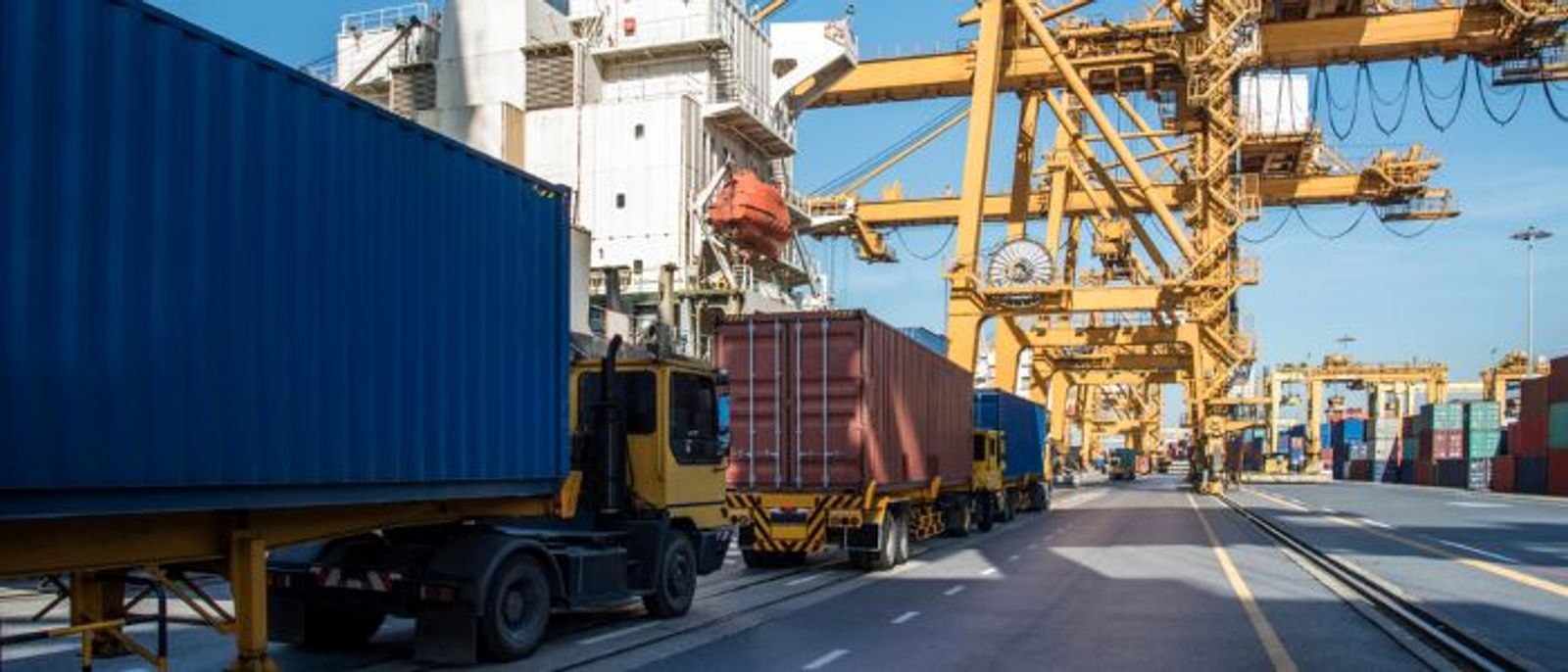
A carbon tax on international shipping to finance a “green fund” for developing nations was blocked at recently concluded United Nations climate change talks.
The design of a Green Climate Fund was one of the key elements agreed Sunday after more than two weeks of talks in Durban, South Africa, between some 190 nations. The U.S. removed any reference to specific financing sources, notably shipping, for the fund designed to transfer up to $100 billion annually by 2020 to poorer nations to help them adapt cut emissions.
Several major trading nations, including China, India, Australia, Korea and Brazil, supported the U.S., which argued funds should come from national budgets rather a tax on shipping. But there is a general consensus shipping will be a major private paymaster to the fund in time, partly because the International Chamber of Shipping, which speaks for more than 80 percent of the world fleet, supports it.
The London-based ICS joined forces with U.K.-based Oxfam, a leading international charity, and the World Wildlife Fund in Durban to propose the International Maritime Organization, the UN shipping agency, adopt a compensation mechanism to ensure a “significant” share of any revenues from shipping goes to poorer nations.
Shipping and aviation are the “most likely areas to yield early dividends when it comes to funding finance,” said Chris Huhne, the UK’s Energy and Climate Change secretary. The World Bank estimates a proposed $25 per metric ton carbon tax on shipping would raise around $26 billion a year, equivalent to 0.2 percent of global trade.
In the draft text in Durban, international shipping was the only concrete source of private finance identified that would raise billions of dollars in addition to contributions from governments. The shipping industry can “probably support” a bunker fuel tax in principle, as long as details are decided at the IMO, according to Peter Hinchliffe, secretary general of the ICS.
Ship owners also have a “clear preference” for a market-based mechanism being a compensation fund linked to the fuel consumption of ships rather than an emissions trading scheme, according to the ICS.
Oxfam estimates a bunker tax scheme would take up to two years to finalize and could be imposed within three years after ratification. The proposal for a shipping carbon tax is widely expected to re-emerge when the UN climate change negotiations resume.
-- Contact Bruce Barnard at brucebarnard47@hotmail.com.