Japan Utility Unveils Nuclear Crisis Control Plan

Tokyo Electric Power Co., Japan's biggest electric utility, released a two-stage description of its plan for bringing the ongoing crisis at its Fukushima No.1 nuclear power plant under control.

TEPCO Chairman Tsunehisa Katsumata announced the roadmap at a press conference on Sunday and said it will take between six and nine months to stabilize the crippled plant.

The Fukushima No.1 plant, about 137 miles northeast of Tokyo, has suffered fires and explosions, leaking radiation. People living within a 12-mile radius of the 40-year-old plant have been evacuated.

In the first stage of the roadmap, which is to take three months, TEPCO aims to cool the plant's reactors and achieve a steady reduction in radiation leaks.

In the second stage, which is to take another three to six months, the company aims to achieve a "cold shutdown" of the reactors, bring the release of radioactive materials fully under control and cover the buildings, possibly with a form of industrial cloth.

In the cold shutdown, temperatures at reactor cores are kept under 100 degrees.

TEPCO announced the roadmap for the first time since the devastating March 11 earthquake and tsunami ravaged the nuclear plant. The announcement came five days after Prime Minister Naoto Kan instructed the company to come up with a public plan.

It is still uncertain, however, whether the nine-month deadline can be achieved.

Kan told reporters on Sunday, "I feel that we have made a little progress." He also said during an intensive parliamentary debate on Monday, "The government will give its full cooperation so that (TEPCO) can achieve (the roadmap) as soon as possible."

TEPCO's announcement of the roadmap came during a brief visit to Tokyo by U.S. Secretary of State Hillary Rodham Clinton, who met with Kan and her Japanese counterpart Takeaki Matsumoto and pledged "steadfast support" from the U.S. for Japan's reconstruction efforts.

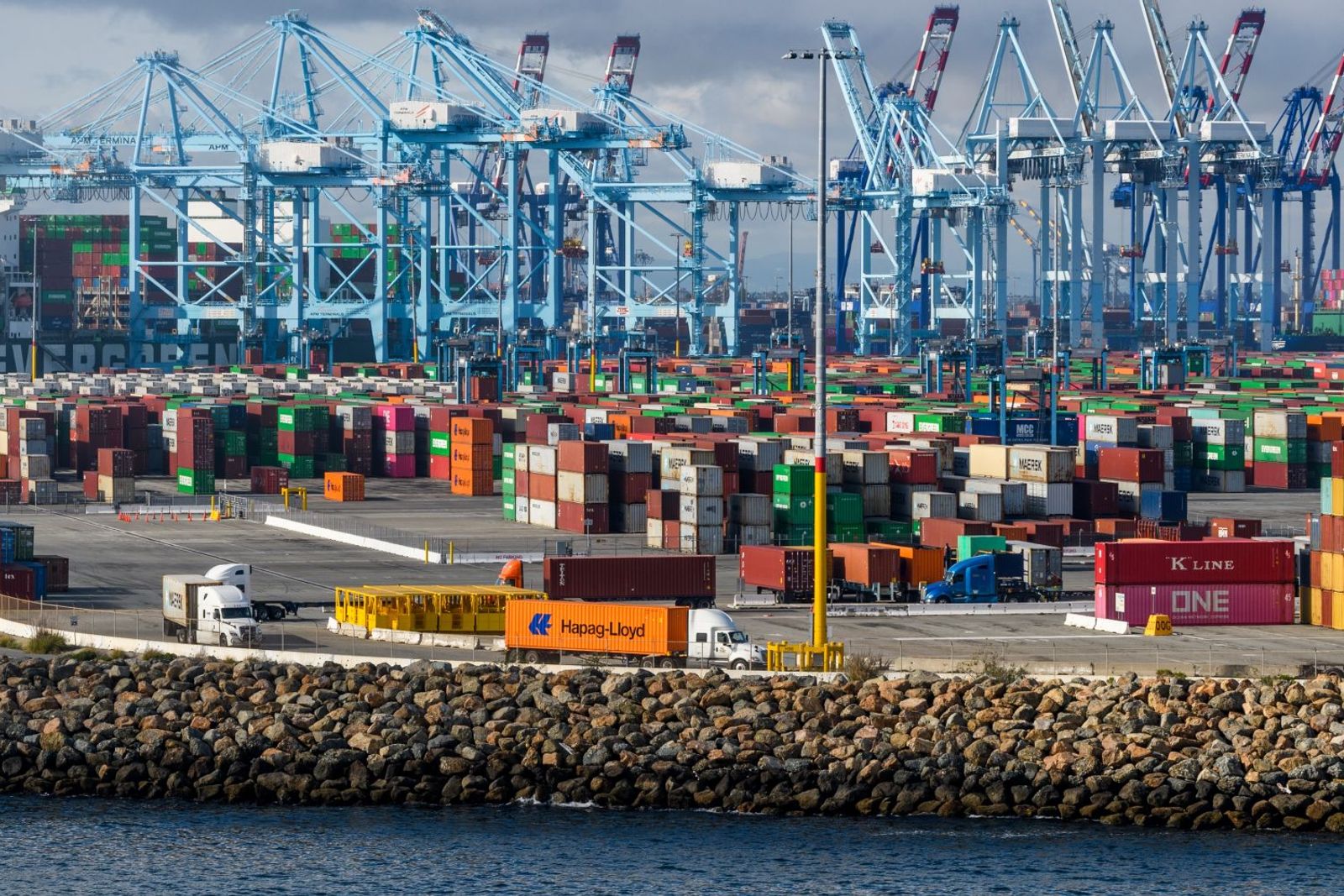
Concern about the level of danger posed by the Fukushima No.1 nuclear power plant has had some impact on shipping and aviation involving Japanese ports and airports.

After the nuclear crisis erupted, some foreign shipping firms avoided making calls at ports in and near Tokyo, while some foreign airlines diverted their flight services from airports in and near the Japanese capital to other airports.

Many foreign countries have also tightened radiation checks on Japanese food imports and banned all or some of them.

As of 10:00 a.m. on Monday in Japan, 13,843 people had been confirmed dead and 14,030 others listed as missing, according to the National Policy Agency.

-- Contact Hisane Masaki at yiu45535@nifty.com.

For in-depth analysis & commentary on this topic, become a JOC member