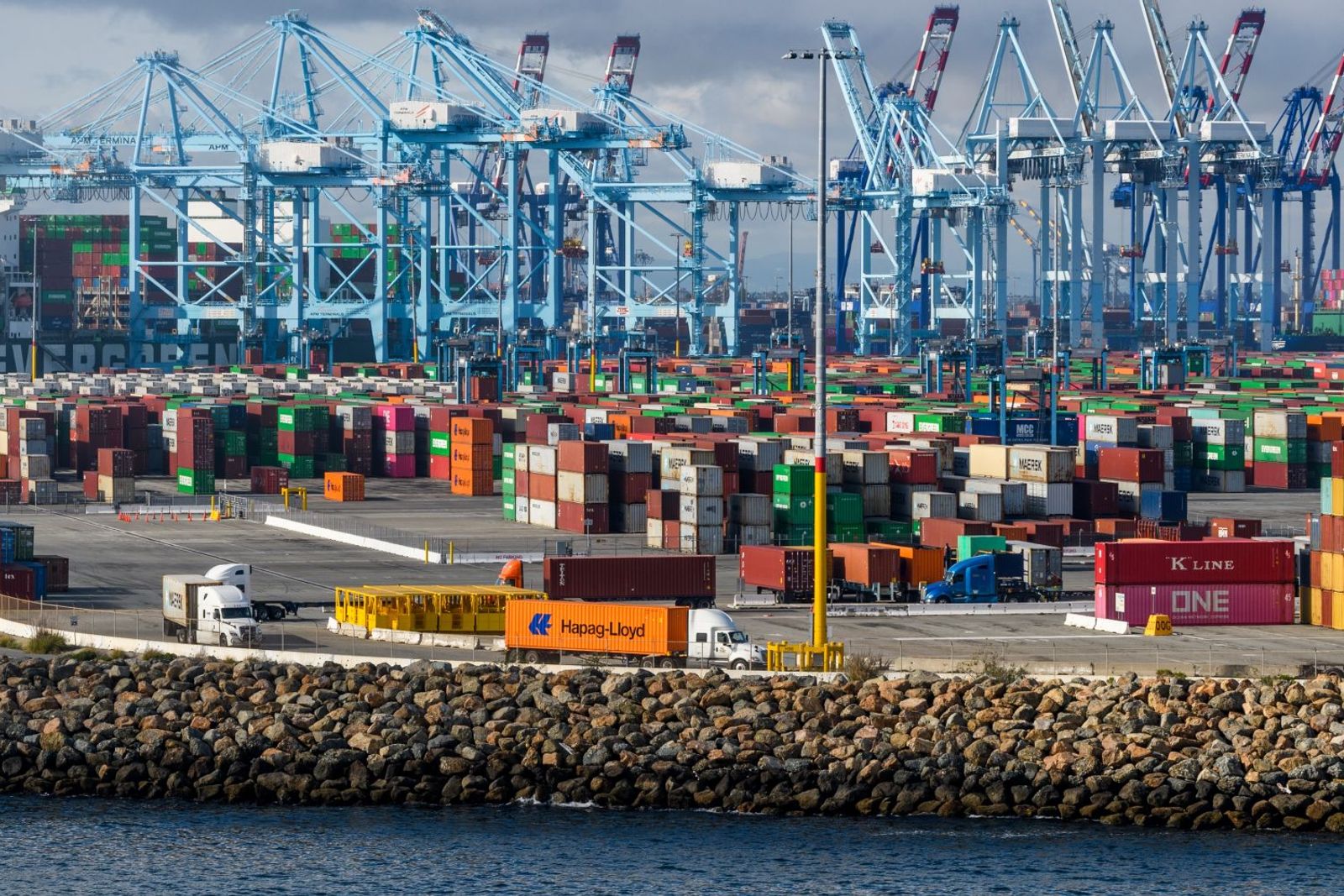
Indonesia Poised for Major Logistics Growth

Indonesia will see rapid growth in logistics demand this year but needs huge investment in transport infrastructure to realize its true potential, according to one leading analyst.

Gopal R, vice president of Frost & Sullivan’s transportation and logistics practice in the Asia Pacific, said Indonesia is at “the opposite end of the spectrum to China” when it comes to building infrastructure.

A five-year plan to build up the country’s logistics infrastructure is two years behind schedule and still awaiting presidential approval, while port privatization has stalled. “Lack of infrastructure is choking Indonesia,” Gopal said.

He said Indonesia’s government should build a logistics network of industrial centers on the outskirts of Jakarta for improved access to the congested Port of Tanjung Priok, which suffers from traffic congestion outside the port as well as at port berths.

“The Indonesia government should also integrate transportation hubs — seaports, airports, terminals and distribution centers — with the transport network and develop state-of-the art logistics infrastructure for efficient distribution,” he said.

Despite the lack of infrastructure, Gopal forecast the Indonesian logistics industry would grow 14.2 percent to 1,408 trillion Indonesian rupiah (US$153.54 billion) in 2012, and achieve a compound annual growth rate of 14.7 percent during 2011-2016.

Growth will be fueled by domestic consumption and capital inflows that will boost manufacturing, while Indonesia’s external trade is expected to jump 32.5 percent this year to reach US$514.2 billion in 2012.

Foreign direct investment is also expected to rise sharply after the world’s fourth-largest country in population terms was awarded investment grade rating by Moody’s Investor Services in January.

“The import-export forwarding, shipping and air freight-related businesses will remain strong due to sustainable external trade activities,” Gopal said.

Fast-moving consumer goods and service parts logistics will be among the fastest-growing sectors in Indonesia, with more and more shippers now inclined to outsource logistics requirements.

He advised logistics service providers to tap into the lucrative domestic market of some 230 million people by offering end-to-end distribution services including inventory management and nationwide delivery.

Contact Mike King at michael@borderline.eu.com.

For in-depth analysis & commentary on this topic, become a JOC member