Shippers face steep hikes in air cargo freight rates and long delays when European air space re-opens, freight forwarders warned as airports across a large swath of the continent remained closed for a fifth day.
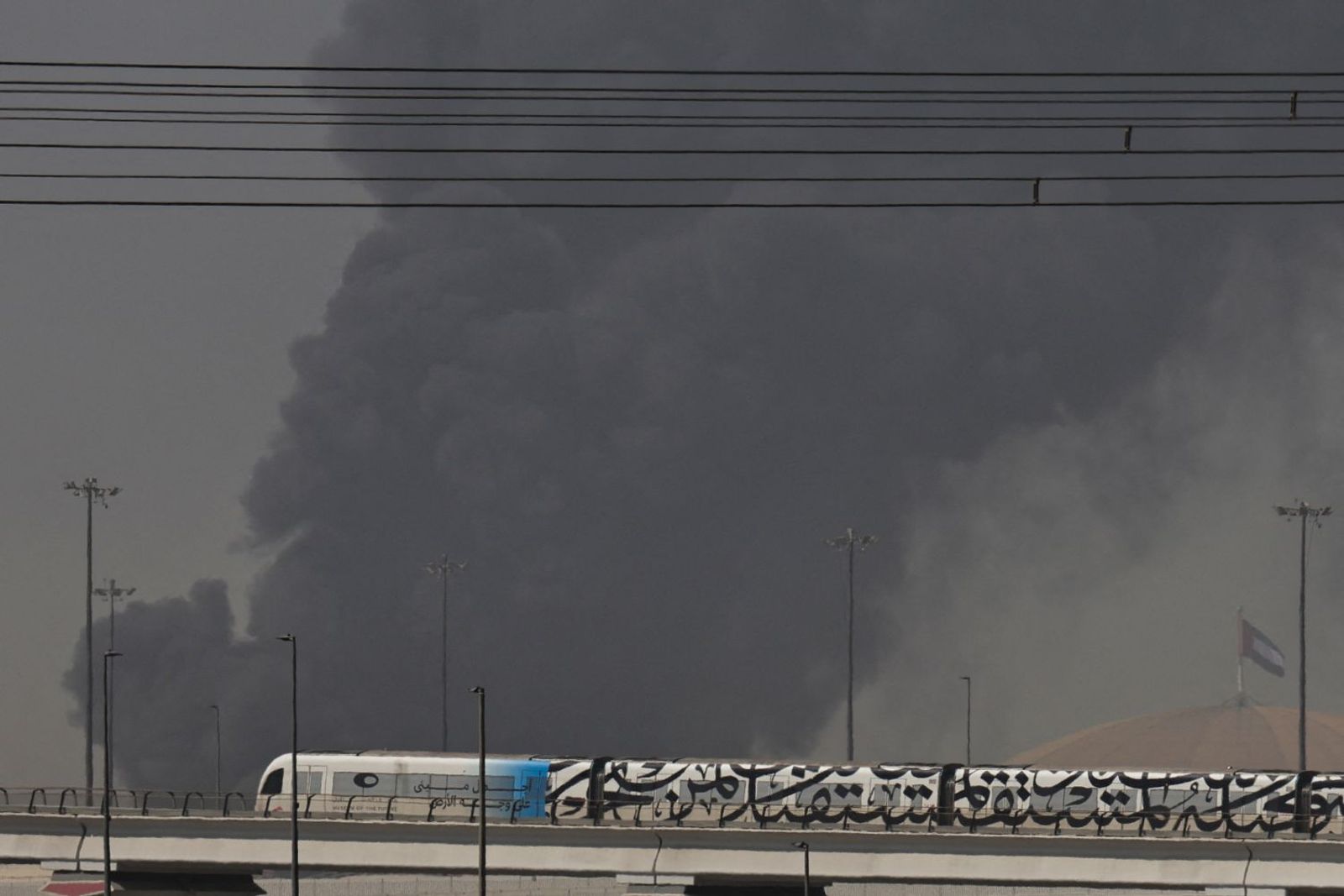
Air cargo rates were already rising, particularly for export shipments out of Asia, when ash from the still erupting Iceland volcano Eyjafjallajokull drifted southward, creating a no fly zone across northern Europe.
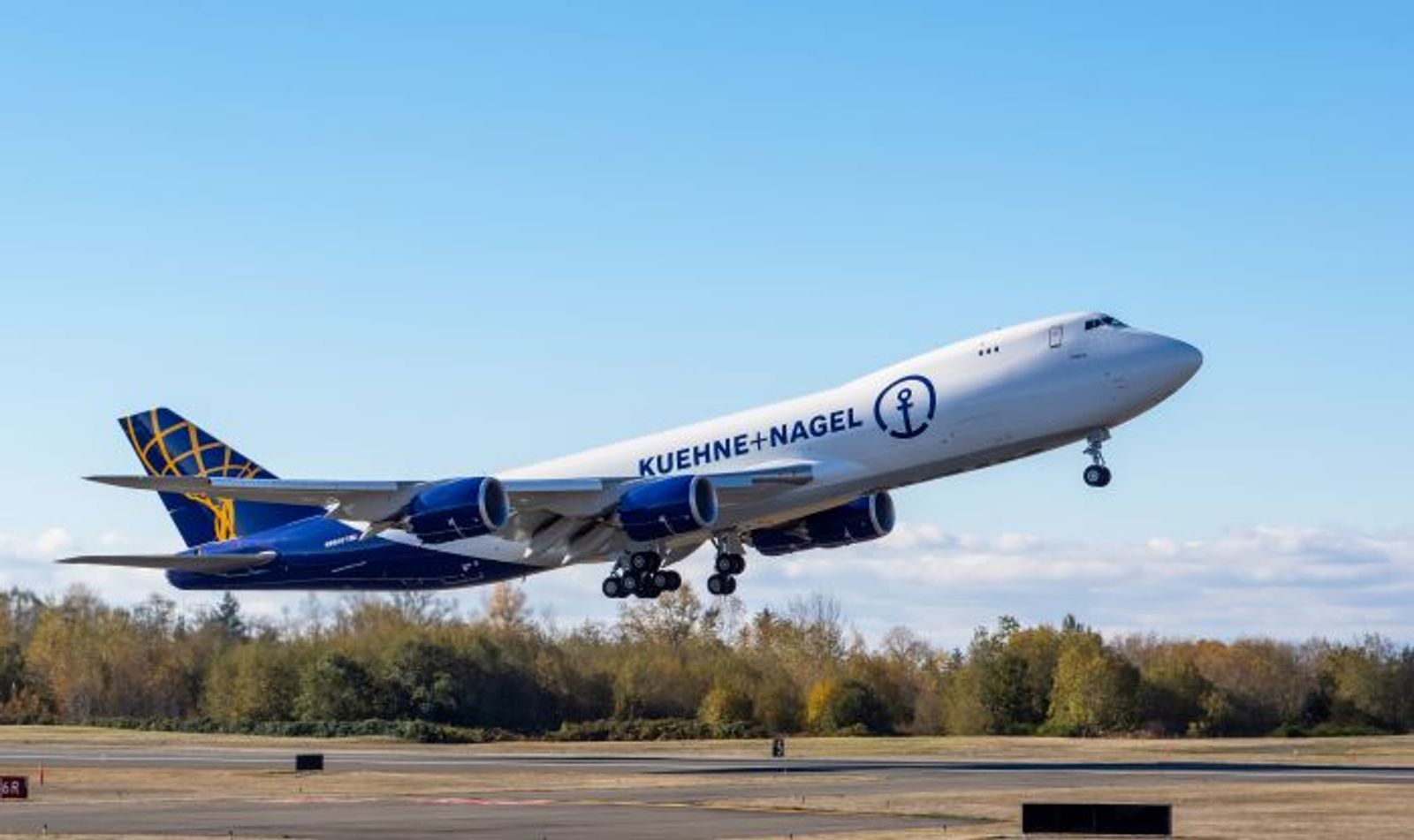
"The likely consequence could be a further increase in freight costs in a market already short on capacity," according to Swiss global freight forwarder Kuehne + Nagel.
"As soon as flight operations are back to normal, additional capacity at higher cost will be required to clear a backlog (of cargo)," its Swiss rival Panalpina said.
"Consequently airlines are implementing a rate increase with immediate effect and until further notice," Panalpina told shippers.
Higher rates will immediately impact just-in-time manufacturers who have been replenishing inventories run down during the recession since the beginning of the year.
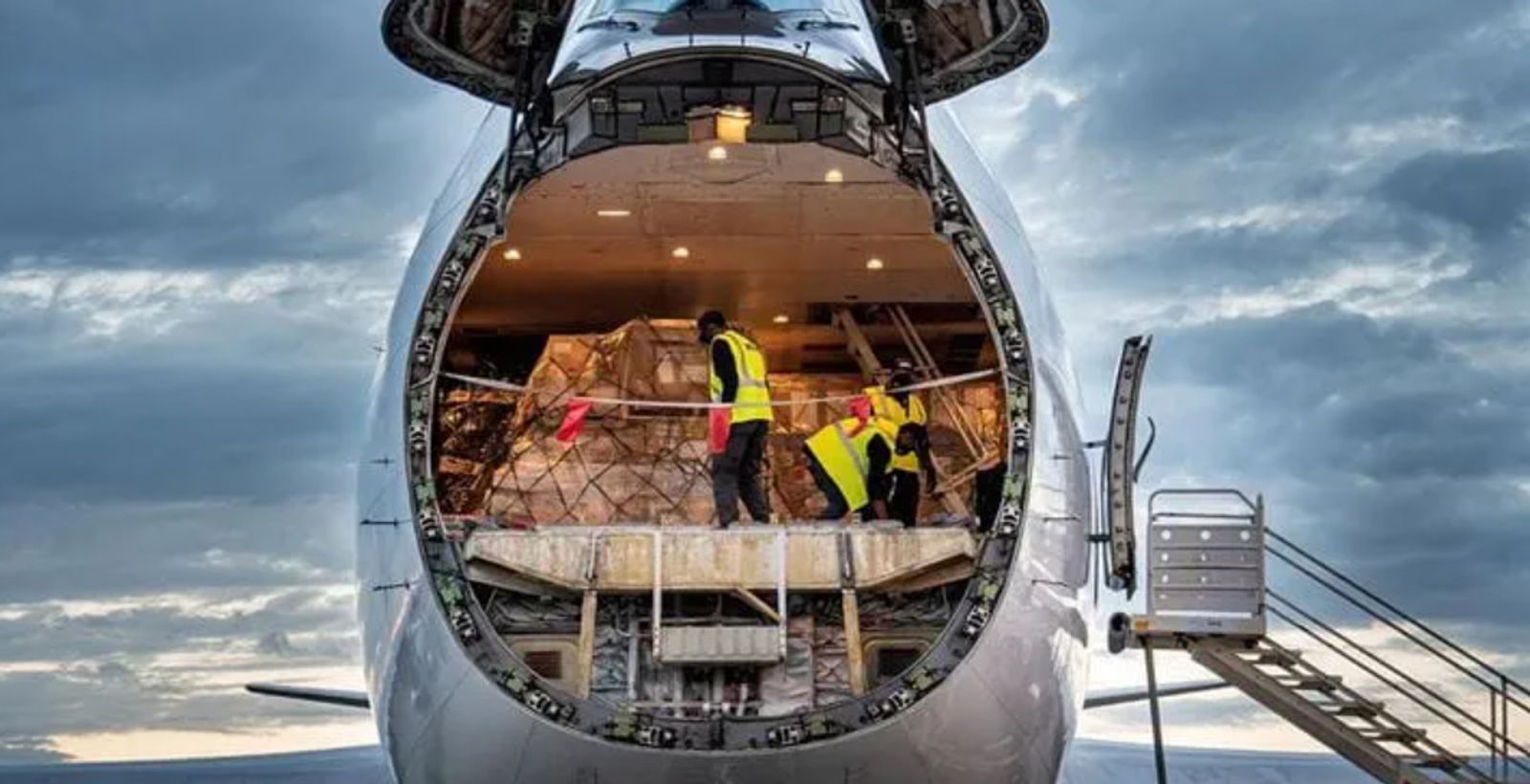
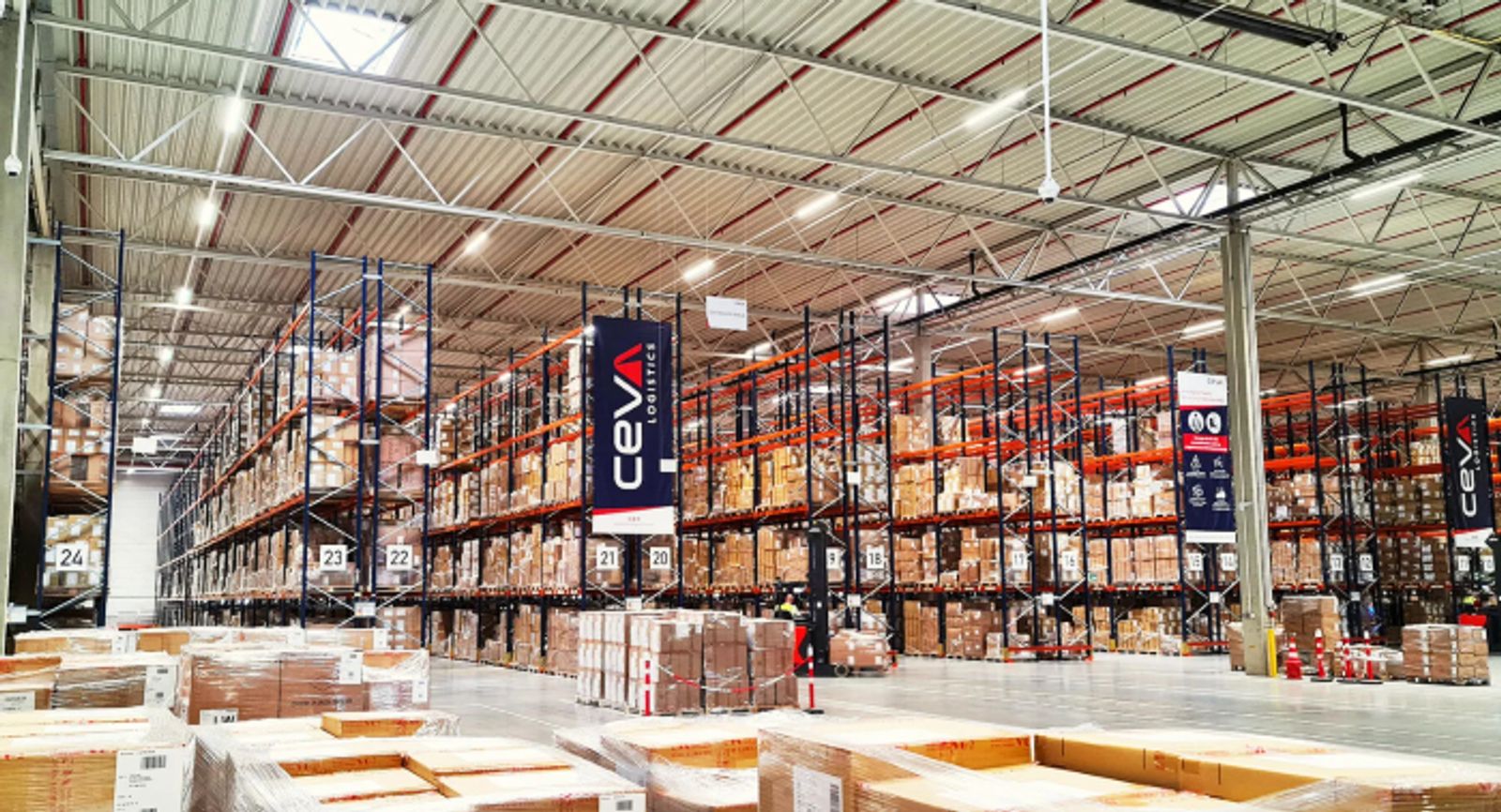
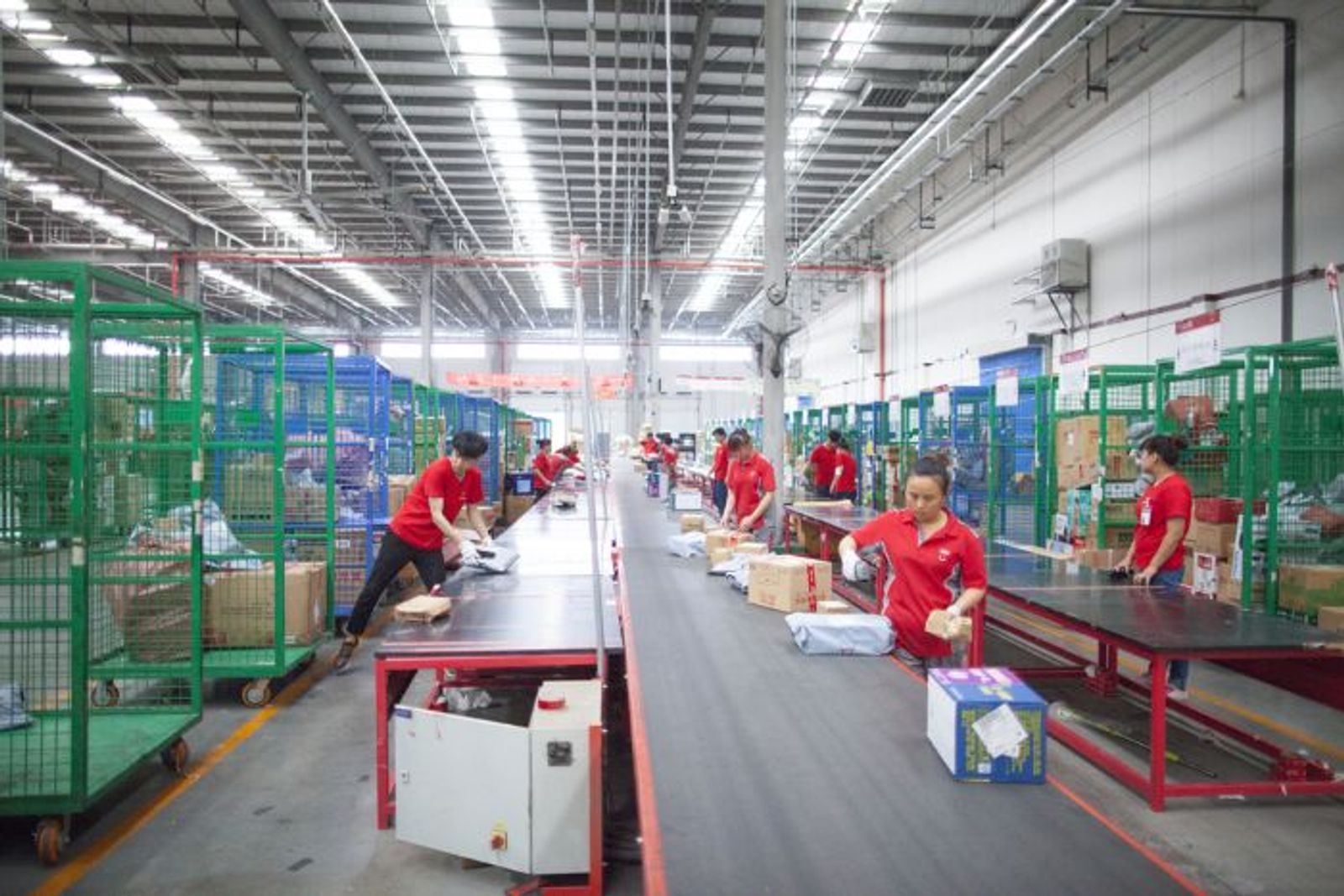
There is a growing backlog of freight building up across Europe as the top three cargo hubs -- Frankfurt, Paris Charles de Gaulle and Amsterdam Schiphol remained closed.
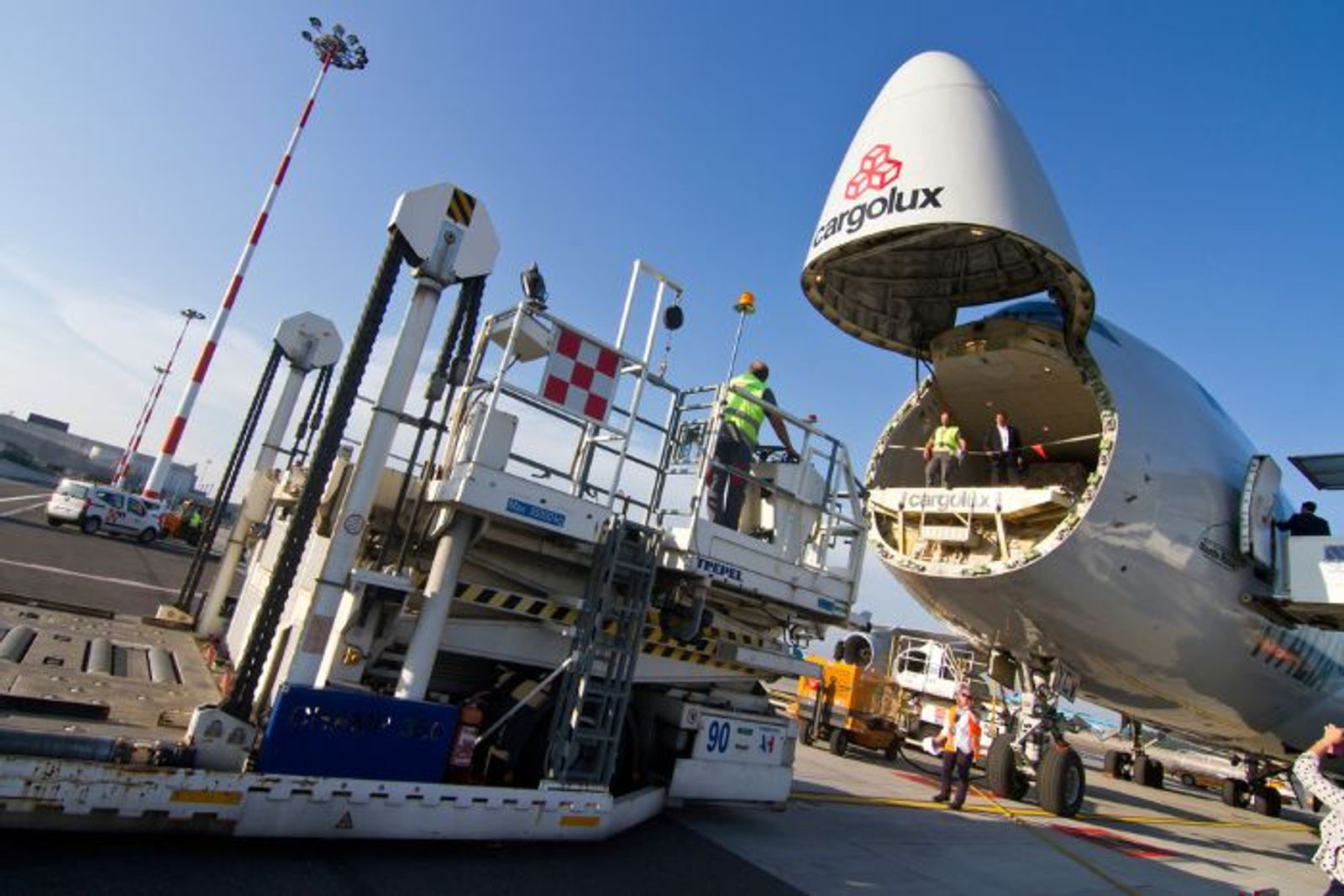
Luxembourg airport, the global hub of Europe's biggest all-cargo carrier Cargolux, is also shut.
Air freight rates have been rising steadily since December, driven by an unexpectedly strong rebound in volume from Asia to Europe and North America that caught out airlines that had slashed capacity, particularly freighters, during the 2009 recession.
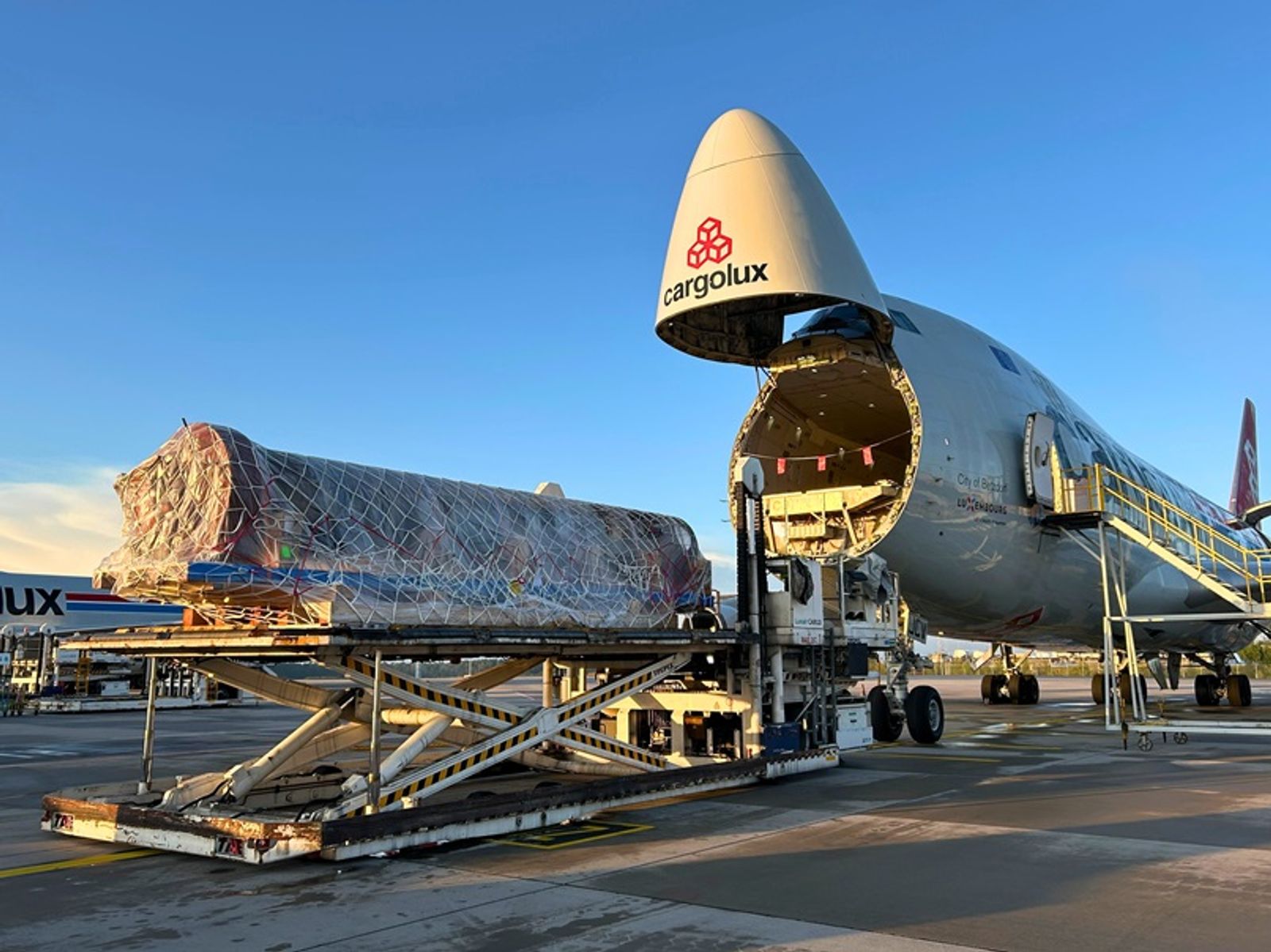
A parallel shortage of ocean container capacity also has forced shippers to turn to air freight, putting further upward pressure on rates.
Kuehne + Nagel attributed a 31 percent surge in its first quarter air cargo volume mainly to "capacity-induced shifts from sea to air freight.”
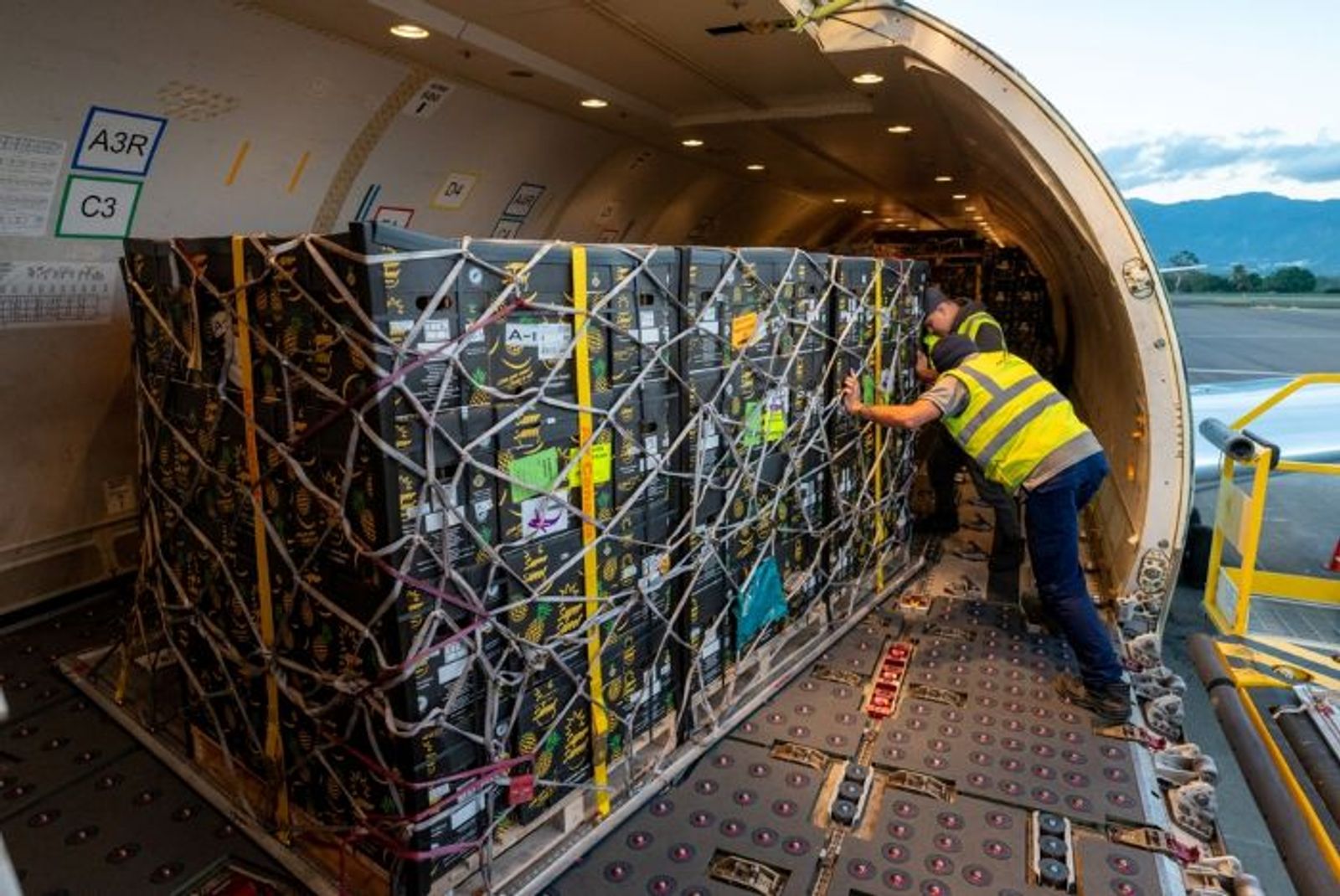
Airlines, express carriers and freight forwarders seeking alternative overland transport to move inter-continental cargo to still open southern European airports are facing a potential shortage of suitable trucks.
Trucking capacity has shrunk during the recession as hundreds of small companies that dominate the business have gone bust just as cargo demand is rising.
The volume of idled trucks has fallen to 5 percent from 20 percent at the trough of the recession, according JP Morgan." Trucks are back at close to full utilization rates," the bank said in a research note last week.