Bill Mongelluzzo, Associate Editor | Feb 09, 2012 8:24AM EST
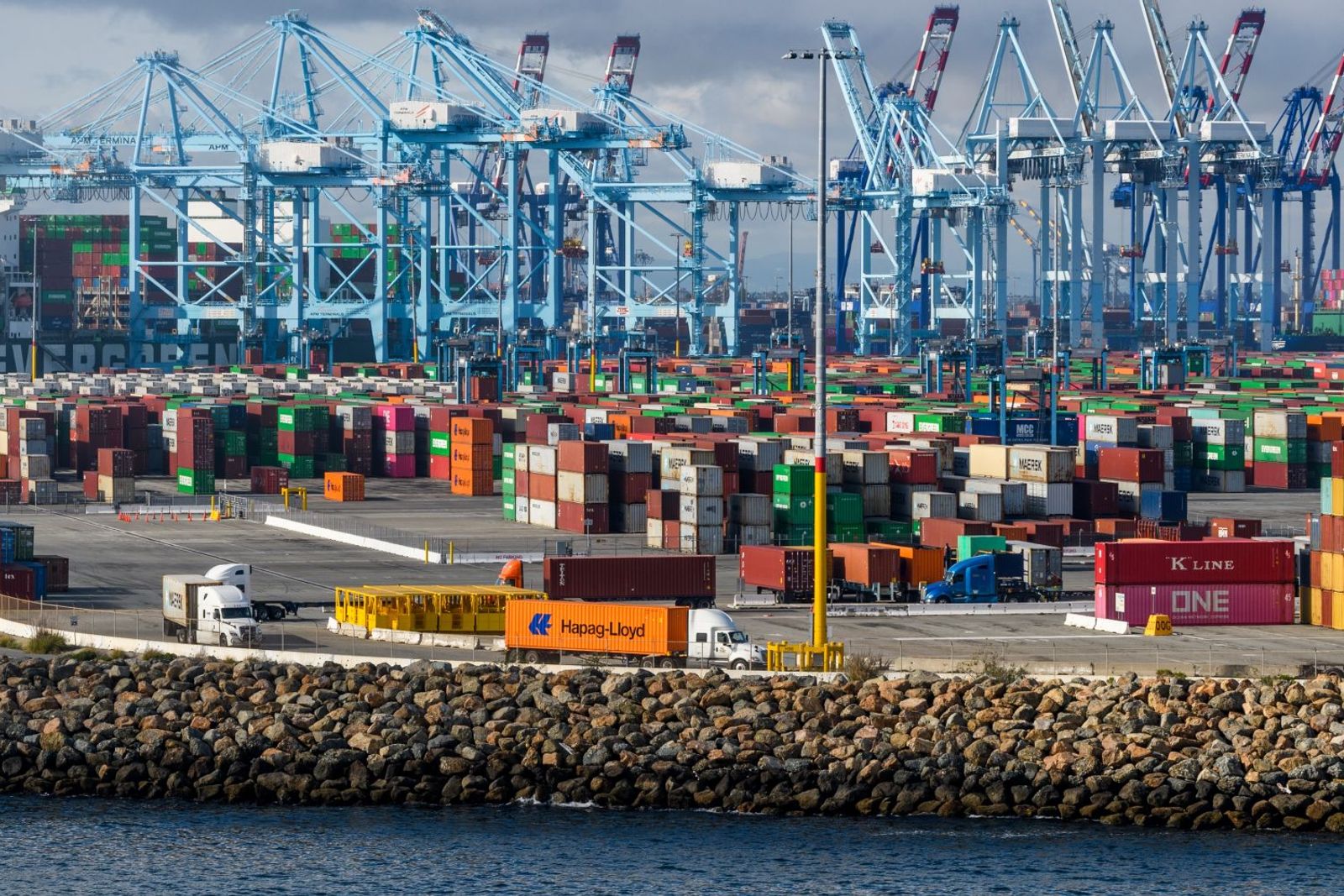
The executive directors of the nation’s two largest container ports intend to address one of their most vexing and embarrassing problems – slow turn times at marine terminal gates.
The neighboring ports of Los Angeles and Long Beach are conducting a competitive cargo study that will identify areas where productivity should be improved. The port directors said they will then consider a variety of measures, including incentives, to change operating processes in the harbor.
A study by the Transportation Research Board last year revealed that most large ports experience periods of congestion tied to the opening of marine terminals each morning or the arrival of vessels at the terminals.
Another study performed last year by PierPass found that the median truck turn time in Los Angeles-Long Beach was 51 minutes, and 58 percent of the truck visits took less than one hour. However, motor carriers consider visits of more than one hour unacceptable. They were especially upset about the finding that 12 percent of the truck visits took two to four hours to complete.
Landlord ports have no direct authority over marine terminal operations, but they do have measures at their disposal that can foster behavioral and operational changes among their marine terminal tenants. Geraldine Knatz, executive director of the Port of Los Angeles, said offering incentives for good performance is one solution.
When the competitiveness study is completed later this year, the ports plan to take action, but have set a precedent for using financial incentives to influence behavior. For example, they offer reduced port charges to vessel operators that voluntarily slow steam to berth within 20 miles of land in order to reduce pollution, Knatz noted.
Chris Lytle, executive, executive director of the Port of Long Beach, said the ports and their tenants must address productivity issues now while the industry is still recovering from the lengthy economic recession. Long Beach’s volume is at the 2004 level, but trade is picking up.
“When we’re back up, we want the system to be efficient,” he said. Lytle said a port-wide appointment system for truckers, or individual systems that cover all of the container terminals, is a concept worth investigating.
Also, the port community must be more creative in addressing the PierPass extended gates program. Lytle noted that each day at 4 p.m., or earlier, trucks start queuing up at terminal gates where they wait until 6 p.m. for the gates to open. PierPass stops collecting the daytime traffic mitigation fee at 6 p.m.
The traffic mitigation fee, along with the Alameda Corridor fee, are the only port fees charged now in Los Angeles-Long Beach, which used to have a reputation of charging more fees than any other ports.
Lytle said the philosophy now is the fewer fees, the better. “We don’t want more fees that can be used by competitors in their marketing programs,” he said.
Contact Bill Mongelluzzo at bmongelluzzo@joc.com.